Unveiling OpenSesame: Mastering the Art of "MNL Win"
Explore OpenSesame, a dynamic game centered on the strategic keyword 'mnl win'. Delve into its gameplay mechanics, rules, and its unique place in the current gaming landscape.


In the realm of strategic card games, "Napoleon" stands out as a timeless classic. This captivating game is steeped in history and has been enjoyed by countless enthusiasts across generations. With its name evoking images of strategy, power, and conquest, the Napoleon card game continues to intrigue both new players and seasoned veterans. As we delve into the game’s rich description, introduction, and rules, we also explore its connection to current events and the global gaming community.
The card game Napoleon was inspired by the famous French military leader Napoleon Bonaparte, known for his strategic prowess and ambition. The game emerged in the early 19th century and quickly became popular in Europe, particularly in Britain, where it was reportedly first introduced by soldiers returning from the Napoleonic Wars. Over time, it gained traction worldwide, with different regions adapting the rules to suit their local preferences.
Despite its historical roots, Napoleon has adapted well to the modern era. Today, it can frequently be found in both physical card form and digital versions, making it accessible to a global audience. The rise of mobile gaming and online multiplayer platforms has further propelled its reach, allowing players to connect and compete irrespective of geography.
Napoleon is typically played with a standard 52-card deck, and the game is best suited for 5 players. The objective is simple yet challenging: to secure the most tricks during each hand and attain the highest score by the end of the game. The role of "Napoleon" or the "declarer" is the most coveted position in gameplay, offering a thrilling strategic challenge to outwit opponents.
The game revolves around bidding, similar to other trick-taking games like Bridge or Spades. Players bid on the number of tricks they commit to winning, with the highest bidder earning the role of Napoleon for that round. The process requires careful consideration and strategic insight, as players must evaluate their hands and anticipate their opponents' strategies.
The rules of Napoleon, while varied across different versions, maintain core principles that govern the gameplay. Here, we explore the basic setup and rules to ensure an engaging experience:
In recent months, the Napoleon card game has experienced a resurgence in popularity, partly driven by the global trend towards nostalgic and strategic games amid the COVID-19 pandemic. With more individuals seeking engagingd socially interactive activities at home, Napoleon has captured the interest of a new generation of players.
The advent of digital technology has also revolutionized how the game is played, with online platforms hosting international tournaments where players compete for the coveted title of 'mnl win'. As traditional game nights have transitioned to virtual formats, Napoleon offers a bridge between the classic card game experience and modern digital interaction.
Moreover, the game's themes of leadership and strategic thinking resonate well in today's uncertain climate, where decision-making and adaptability are pivotal. The intriguing dynamics of the Napoleon card game provide players with a microcosmic experience of strategic planning and calculated risk-taking.
As the gaming landscape evolves, Napoleon stands poised to maintain its relevance through continuous adaptation and innovation. Efforts to introduce augmented reality elements and enhanced graphics in digital versions aim to attract a younger audience while preserving the integrity of traditional gameplay.
Furthermore, the game's community-driven aspects, such as forums, strategy discussions, and collaborative play, contribute to its sustained appeal. With the potential for new variations and challenges, Napoleon remains an engaging and dynamic choice for both casual and competitive players around the world.

If you're looking for a reliable, fully licensed, and secure sportsbook with a wide selection of games, mnl win is the perfect choice. We're committed to providing you with the best online betting experience, with premium quality, excellent service, and continuous innovation. Sign up now and receive ₱777 for free!
Join now
Get the latest information, experience and betting strategies from the expert team at mnl win.
Explore OpenSesame, a dynamic game centered on the strategic keyword 'mnl win'. Delve into its gameplay mechanics, rules, and its unique place in the current gaming landscape.
Dive into the exhilarating world of RushFever7sDeluxeSE, exploring its intriguing gameplay, rules, and the exciting elements that make it a standout choice for players.
Dive into the heart-pounding world of 3LUCKYLION, a game that combines luck and strategy in a captivating experience set against the backdrop of the evolving gaming industry.
Explore the captivating world of Texas Holdem, understand its rules and strategies, and discover how it continues to influence the world of poker.
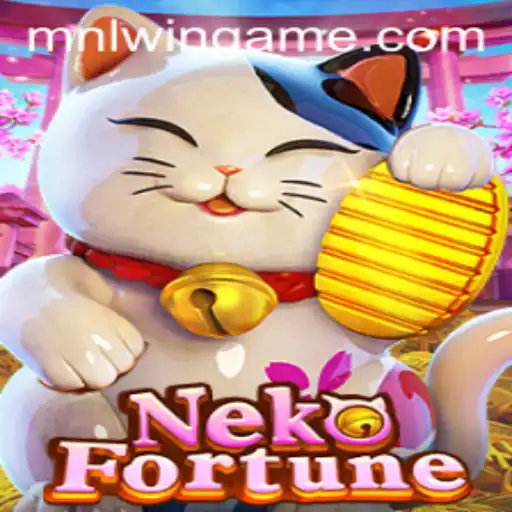
Delve into the captivating universe of NekoFortune, a unique blend of strategy and chance with a contemporary twist.

Explore the vibrant world of FruityWheel, a captivating game that combines luck and strategy with a fruity twist. Learn the rules, experience the thrill, and aim for that big MNL win.
 Join now